The cultivation

Riso Goio | Riso di Baraggia Biellese e Vercellese DOP
since

1929

Riso Goio

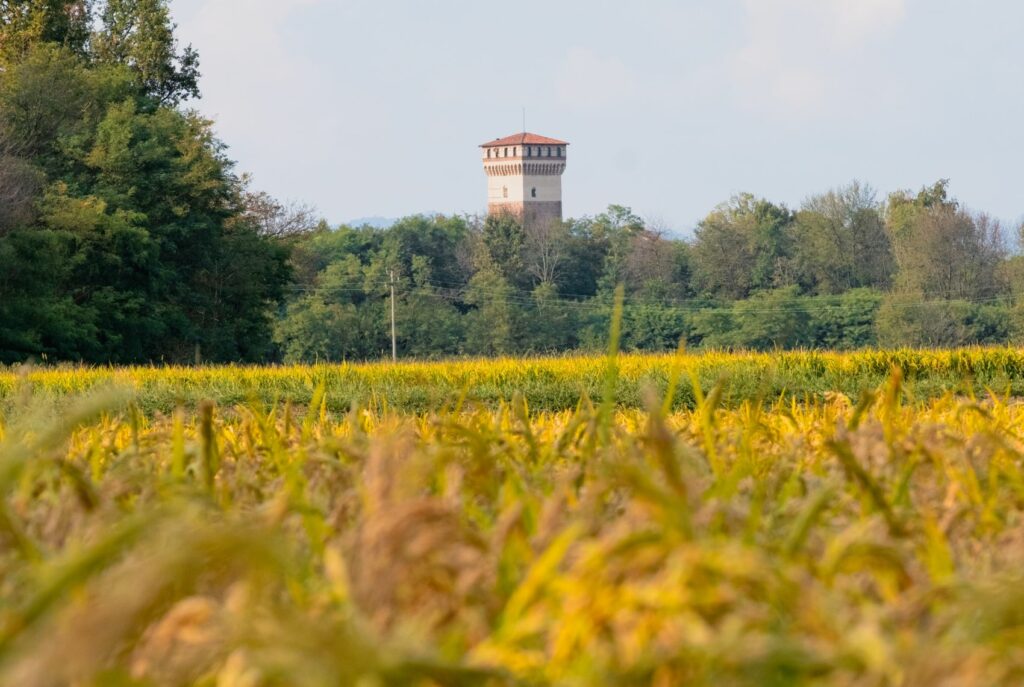
Cultivated in the heart of the Baraggia Biellese and Vercellese

The cultivation takes place under the control of the National Rice Authority which, together with
Consortium for the protection of the DOP rice of Baraggia Biellese and Vercellese of the brand,
monitors compliance with the requirements set out in the specific production specification to
guarantee the product.

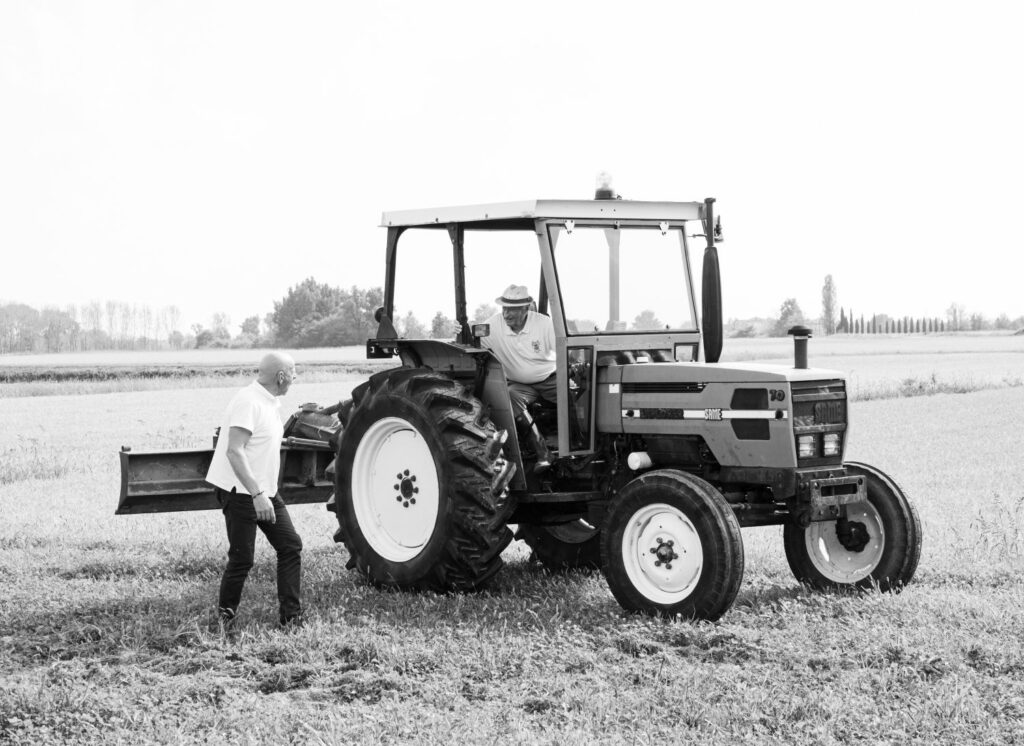
In recent years we have focused on crop rotation: seed rice- soybeans – DOP rice. As our grandfather did many years ago, we have reintroduced crop rotation. Every 2 years we rotate the
crops in the company lots, preparing the land as best as possible so that we can more efficiently
carry out the modern technique of dry rice sowing in underground rows and not with the
traditional broadcast sowing with submerged rice paddies.

This combined technique allows for less use of chemical products and significant saving of water,
a resource we consider very precious, limiting its use to a few weeks of submersion
We cultivate our lands
with love and respect for nature

Riso Goio 1929 is cultivated with a low environmental impact method, thus obtaining the SQNPI certification (National Quality System of Integrated Production) which guarantees the sustainable quality of our rice

Cultivation stages
_DSC1780

1

Soil preparation and sowing

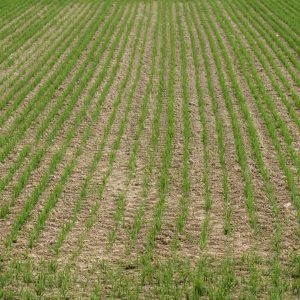
At the beginning of the campaign (February – March) the soil is plowed by burying the residues of the previous harvest, thus creating considerable organic substance; then the soil is leveled with a laser-controlled blade to obtain the perfect plane, after which a rotary tooth harrow to prepare it
for dry sowing in buried rows

dji_fly_20231007_144742_113_1696682870124_photo_optimized

2

Harvesting and cutting rice

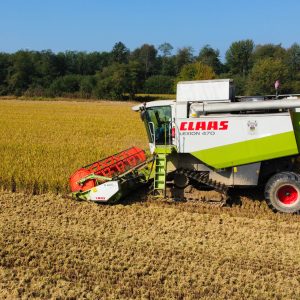
Riso Goio is left to ripen naturally as much as possible in the field before harvesting. At this point a computerized combine harvester comes into action to separate the paddy grains from the straw

riso4-transformed

3

Drying and storage

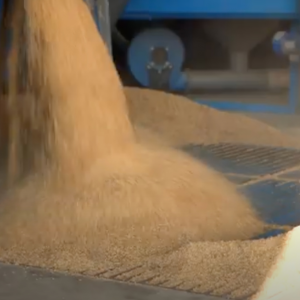
The product is then taken to the company drying center where it is separated from some remaining straw residues by cleaners and then slowly heated and ventilated to remove excess humidity:it goes from an initial water percentage pf 17/18% to a final one of 13%, ideal for storage in refrigerated silos

20170824_183039-scaled

4

Processing and Packing

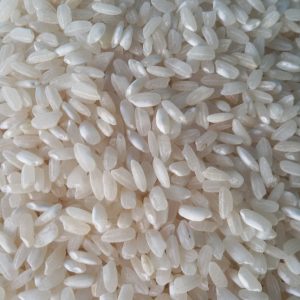
After a period ranging from 6 month to 1 year of storage in silos, the rice is ready to be processed, it is taken to the rice mill where with special machinery it is slowly husked separating the Husk from the Glumella (grain) arriving at the first degree processing (absolute white), at this point the rice is ready to be tasted, then it is packaged in a protective atmosphere to then arrive on your tables unaltered and perfectly preserved.

The Baraggia Biellese and
Vercellese

The last strip of European savannah, the Baraggia Biellese and Vercellese is a Piedmont area that slopes gently from the Prealps of Monte Rosa to the first offshoots of the town of Vercelli.

Unique Characteristic

The rice of Baraggia Biellese and Vercellese DOP has smaller size in volume and length, but a greater compactness of the cellular tissues

After cooking it shows a superior consistency and lower stickiness, which determine a high resistance to cooking, characteristics that make it a product of undisputed quality, appreciated by the great Chefs and the most refined connoisseurs, worthy of boasting the prestigious recognition of the certification: BIELLESSE AND VERCELLESE BARAGGIA RICE DOP

“RICE OF BARAGGIA BIELLESE E VERCELLESE DOP”
Qualità

DOP

Nature
uncontaminated

Different environmental conditions

The environmental conditions are different from those of traditional rice cultivation: a breezy and cool climate due to the influence of the nearby hills and mountains, clayey soil, water that comes directly from the Monte Rosa glacier, give the companies in the area a smaller quantity of product for hectare, but with unique characteristic and qualities.